Get the care you deserve through perimenopause and menopause

Hormonal changes during perimenopause and menopause can affect energy, mood, sleep, focus, and overall wellbeing.

The symptoms are real. So is the support you can get.

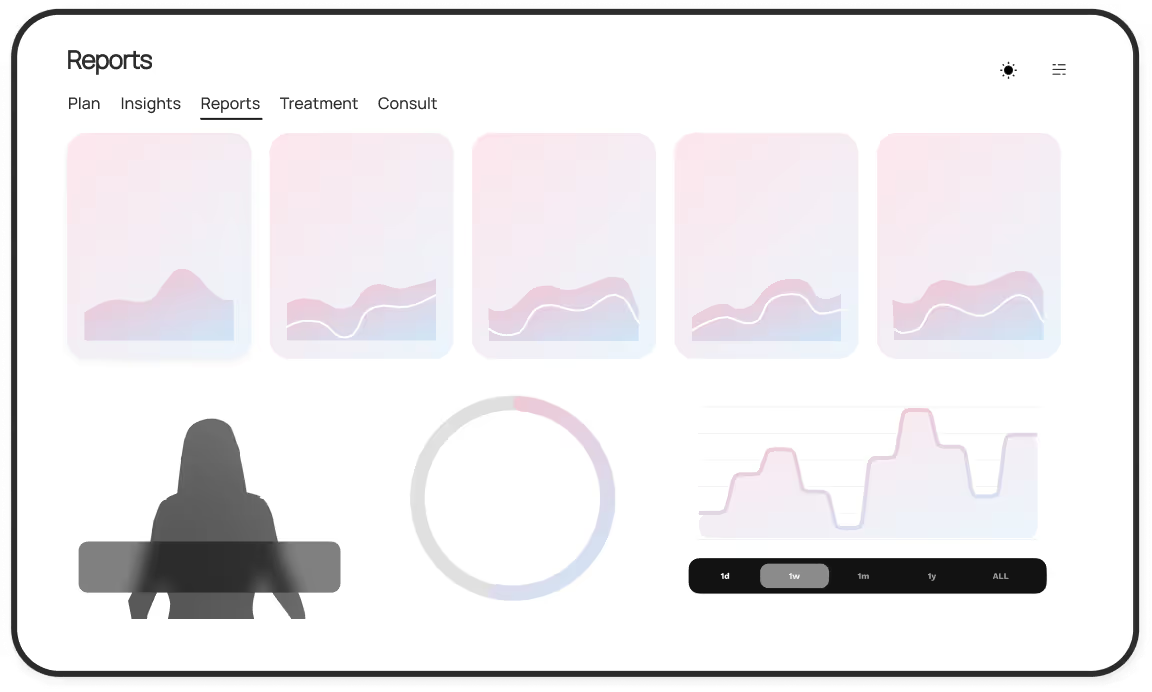
Symptom support over time

Hormonal shifts during perimenopause and menopause can drive a wide range of symptoms. Our approach focuses on understanding these changes through testing and clinical assessment, so care is guided by your biology, not guesswork.

Symptom support over time

Hormonal shifts during perimenopause and menopause can drive a wide range of symptoms. Our approach focuses on understanding these changes through testing and clinical assessment, so care is guided by your biology, not guesswork.

Hormonal changes can take the joy out of life

Can affect:

Low energy

Poor sleep

Mood changes

Weight changes

Brain fog

Hot flushes

Night sweats

Low libido

Slow recovery

Many people experience no noticeable symptoms at all. This is why blood testing and risk marker assessment can be valuable even when you feel well.

Do you recognise these symptoms?

Answer a few quick questions to see whether low testosterone could be contributing.

How it works

1
2
3
4
1
2
3
4

Complete your intake

Start by completing a short online intake covering your health history, goals, and symptoms. This helps determine eligibility and guide next steps.

Complete your intake
Takes a few minutes
Secure
Completed online

Test what matters

Complete our Hormone Health blood panel through one our network of 4000+ Australian pathology partners, guided by your health goals and clinical history.

Test what matters
Fast Appointments
Nationwide access
No unnecessary tests

Understand your results

Your results are uploaded to our secure patient portal and reviewed by AHPRA-registered medical practitioner.

Understand your results
Clear Explanations
Trends over time
No medical jargon

An actionable plan

Your practitioner will recommend a personalised care plan which may include treatment, lifestyle guidance, and ongoing monitoring.

An actionable plan
Individualised
Evidence based
Medically appropriate

Potential benefits you may notice

It’s time to feel better

From testing to treatment — a simple, guided medical journey.

Enjoy cooler nights, sooner

Support improved sleep comfort and temperature regulation, which may help reduce night-time disruptions.*

Reconnect with intimacy

Hormone balance may support sexual wellbeing and comfort during perimenopause and menopause.*

Restore energy and mental clarity

Notice improvements in energy levels, focus, and day-to-day functioning with appropriate treatment.*

Support long-term health

Clinically guided hormone care may help support heart, bone, & metabolic health as part of broader health plan.*

Why Hormone Health with Get Limitless?

Treatment informed bycomprehensive labs

We start with in-depth pathology to understand your hormone profile in context. Results guide eligibility, dosing considerations, and ongoing monitoring — not guesswork.

Clinically guided,not one-size-fits-all

All treatment decisions are based on objective blood testing and clinical assessment by AHPRA registered medical practitioners ensuring testosterone is only considered when medically appropriate.

Convenient Australia-wide testing

Access blood testing through 4,000+ partner pathology locations nationwide, with fast turnaround times and results automatically uploaded to your secure portal.

Ongoing, connected care

We start with in-depth pathology to understand your hormone profile in context. Results guide eligibility, dosing considerations, and ongoing monitoring — not guesswork.

The hormone health journey

0–3 months

Begin to notice changes

As hormone levels start to stabilise, some women report early improvements in sleep comfort, mood stability, and daily energy. This phase focuses on finding the right balance and monitoring how your body responds under clinical guidance.*

3–6 months

Build consistency and confidence

With ongoing review and adjustments where needed, many women notice more consistent symptom relief, improved mental clarity, and greater comfort in daily life. Treatment plans are refined based on follow-up testing and how you’re feeling.*

6–12+ months

Maintain balance long-term

Long-term care focuses on sustaining hormone balance and supporting overall health. Regular check-ins help ensure treatment remains appropriate as your needs change through perimenopause and menopause.*

0–3 months

Initial stabilisation

During the early phase, testosterone levels may begin to stabilise as treatment is introduced. Follow-up testing and clinical reviews are used to monitor how your body is responding and to adjust dosing if needed.

3–6 months

Ongoing monitoring & optimisation

With continued medical oversight, clinicians may refine treatment based on blood results, symptoms reported, and individual response. Many patients reach a more consistent hormonal range during this period.

6–12+ months

Long-term management

Treatment becomes part of an ongoing care plan focused on maintaining appropriate hormone levels over time. Regular reviews help ensure therapy remains suitable, safe, and aligned with your health goals.

Do you recognise these symptoms?

Answer a few quick questions to see whether low testosterone could be contributing.

Progress Over Time

Answer a few quick questions to see whether low testosterone could be contributing.

Frequently Asked Questions

What is female hormone health?

Female hormone health refers to the balance and function of key hormones such as oestrogen, progesterone, and testosterone, which influence energy, mood, sleep, metabolism, bone health, and reproductive health across different life stages.

What is perimenopause?

Perimenopause is the transitional phase before menopause, when hormone levels begin to fluctuate. It can start years before periods stop completely and is often when symptoms first appear.

What is menopause?

Menopause is diagnosed after 12 consecutive months without a menstrual period. It marks the end of natural reproductive cycles and reflects a sustained decline in ovarian hormone production.

What is the difference between perimenopause and menopause?

Perimenopause involves fluctuating hormone levels and ongoing (often irregular) periods. Menopause occurs once periods have permanently stopped. Symptoms may overlap, but hormone patterns differ.

At what age do perimenopause and menopause usually begin?

Perimenopause commonly begins in the late 30s to mid-40s, while menopause most often occurs between 45–55, with an average age of around 51. Timing varies between individuals.

What symptoms are commonly associated with hormonal changes?

Yes. Blood testing is essential to understand your hormone levels in context and to rule out other medical causes. Ongoing testing may be required to monitor response and safety.

Do symptoms always mean hormone therapy is needed?

Not necessarily. Symptoms can have multiple causes. At Limitless, treatment options are only considered after comprehensive testing and medical assessment to determine whether hormone imbalance is a contributing factor.

How does Get Limitless assess female hormone health?

Assessment begins with detailed health questions and objective testing, including blood markers where appropriate. Results are reviewed by AHPRA-registered medical practitioners to guide personalised care.

What treatment options may be considered?

Depending on individual needs and clinical suitability, care plans may include hormone therapy, lifestyle guidance, nutritional support, or supplements. Treatment is only recommended when medically appropriate.

Is hormone therapy safe?

When appropriately prescribed and monitored, treatments are considered safe for many women. Hormone therapy may be appropriate for some women following medical assessment. Safety depends on individual health history, risk factors, and ongoing clinical review. Your practitioner will discuss potential benefits and risks with you.

Can hormone changes affect weight or metabolism?

Hormonal shifts may influence metabolism, fat distribution, and appetite in some women. Lifestyle factors, age, and overall health also play an important role.

How long do perimenopause and menopause symptoms last?

Symptoms may last months or years and can continue after menopause. Duration and intensity vary between individuals.

Is care delivered in person or online?

Get Limitless provides care via telehealth, allowing you to access consultations, results, and ongoing support online, at times that suit you.

How do I know if this care is right for me?

The best way to start is with an eligibility assessment. This helps determine whether further testing or medical review is appropriate for your situation.

Still have questions?

Your health sets the limits. It’s time to move beyond them.

Join for clinically guided perspectives on optimising health.

By clicking subscribe you're confirming that you agree with our Terms and Conditions.

Thank you! Your submission has been received!
Oops! Something went wrong while submitting the form.