A clearer picture of your metabolic health
Your metabolic health influences how your body manages energy, blood sugar, cholesterol, and inflammation. We focus on early insight and personalised care to help you stay healthier for longer.



1 in 3 Australian adults show early metabolic risk markers
National health data suggests a significant proportion of adults have changes in blood sugar regulation, cholesterol, or inflammatory markers that may increase long-term cardiometabolic risk.
These changes often develop quietly, years before symptoms appear.
.avif)
1 in 3 Australian adults show early metabolic risk markers
National health data suggests a significant proportion of adults have changes in blood sugar regulation, cholesterol, or inflammatory markers that may increase long-term cardiometabolic risk.
These changes often develop quietly, years before symptoms appear.
Possible signs of metabolic or cardiovascular stress
Can affect:
Energy levels
Fatigue
Reduced stamina
Shortness of breath
Chest discomfort
Dizziness
light headedness
Leg or ankle swelling
Slower recovery
Weight changes
What we test to understand your Muscle Health
Metabolic health is not defined by a single number. We assess a core set of biomarkers that reflect how your body manages energy, blood sugar, inflammation, and cardiovascular risk. This allows us to identify early risk patterns and guide personalised prevention strategies.
How it works
Complete your intake
Start by completing a short online intake covering your health history, goals, and symptoms. This helps determine eligibility and guide next steps.

.svg)
Test what matters
Complete our Hormone Health blood panel through one our network of 4000+ Australian pathology partners, guided by your health goals and clinical history.

Understand your results
Your results are uploaded to our secure patient portal and reviewed by AHPRA-registered medical practitioner.

An actionable plan
Your practitioner will recommend a personalised care plan which may include treatment, lifestyle guidance, and ongoing monitoring.

.avif)
Metabolic risk changes gradually and so can improvement
Small changes in key metabolic markers can meaningfully influence long term cardiovascular risk. Tracking trends over time allows early intervention before symptoms appear.

Increases in markers such as ApoB are associated with a higher risk of cardiovascular disease. Monitoring and improving these markers over time can help reduce long term risk.
Cardiovascular events are rarely random
Many people who experience heart disease show elevated metabolic risk markers years beforehand. Identifying these patterns early creates an opportunity for prevention rather than reaction.
Do you recognise any of these signals
Answer a few quick questions to see whether clinical support for muscle health or injury recovery may be appropriate for you.
.avif)
.avif)

Why Metabolic Health with GetLimitless?
Treatment informed by comprehensive labs
We start with in-depth pathology to understand your hormone profile in context. Results guide eligibility, dosing considerations, and ongoing monitoring — not guesswork.
.avif)
Clinically guided,not one-size-fits-all
Care informed by your results, goals, and medical history, and reviewed by licensed Australian practitioners.
.avif)


Convenient Australia-wide testing
Access testing, consultations, and follow-ups through a simple and flexible telehealth experience.


Ongoing care focused on prevention and performance
Your care doesn’t stop at a prescription. You’ll have access to follow-ups, progress tracking, and ongoing clinical review through your patient portal, all delivered at your convenience online and via telehealth.
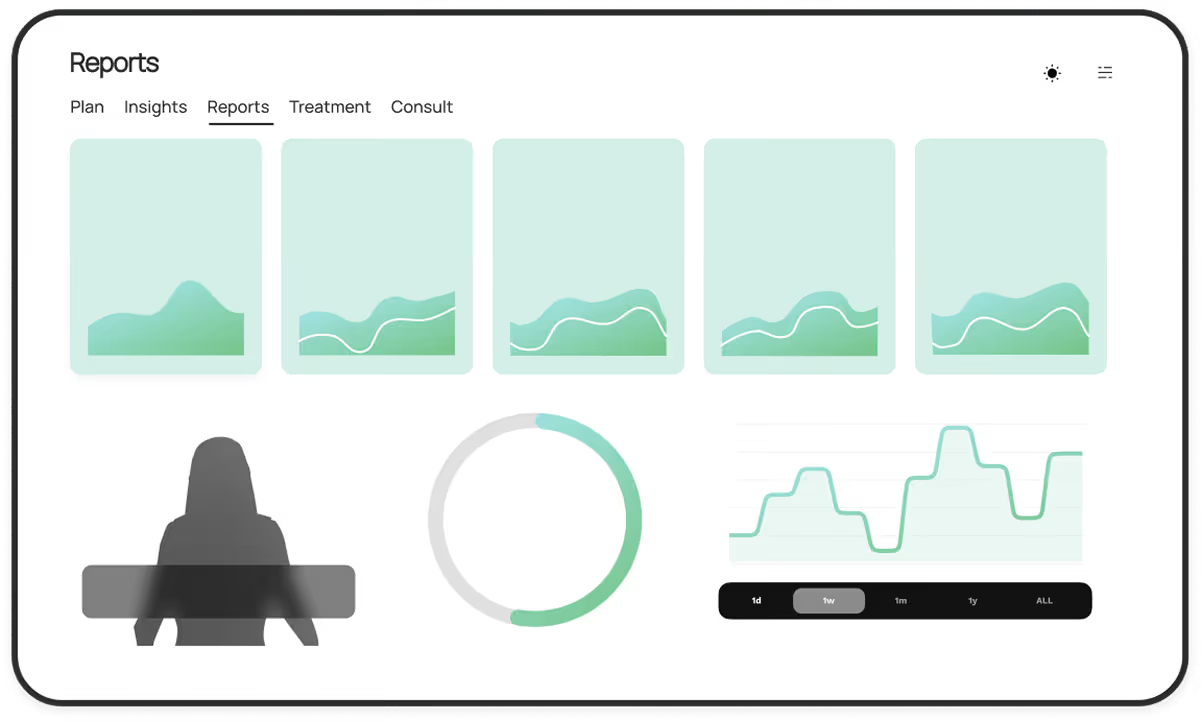
It’s more than a plan, It’s Personal
Metabolic health is not one size fits all. Your biology, lifestyle, family history, and current risk markers all matter.
Your metabolic health plan is built around your individual biomarkers, guided by clinical testing and ongoing medical oversight. This is not about reacting after problems appear. It is about understanding what is happening now and acting early to support long term health.
What this enables:

.avif)
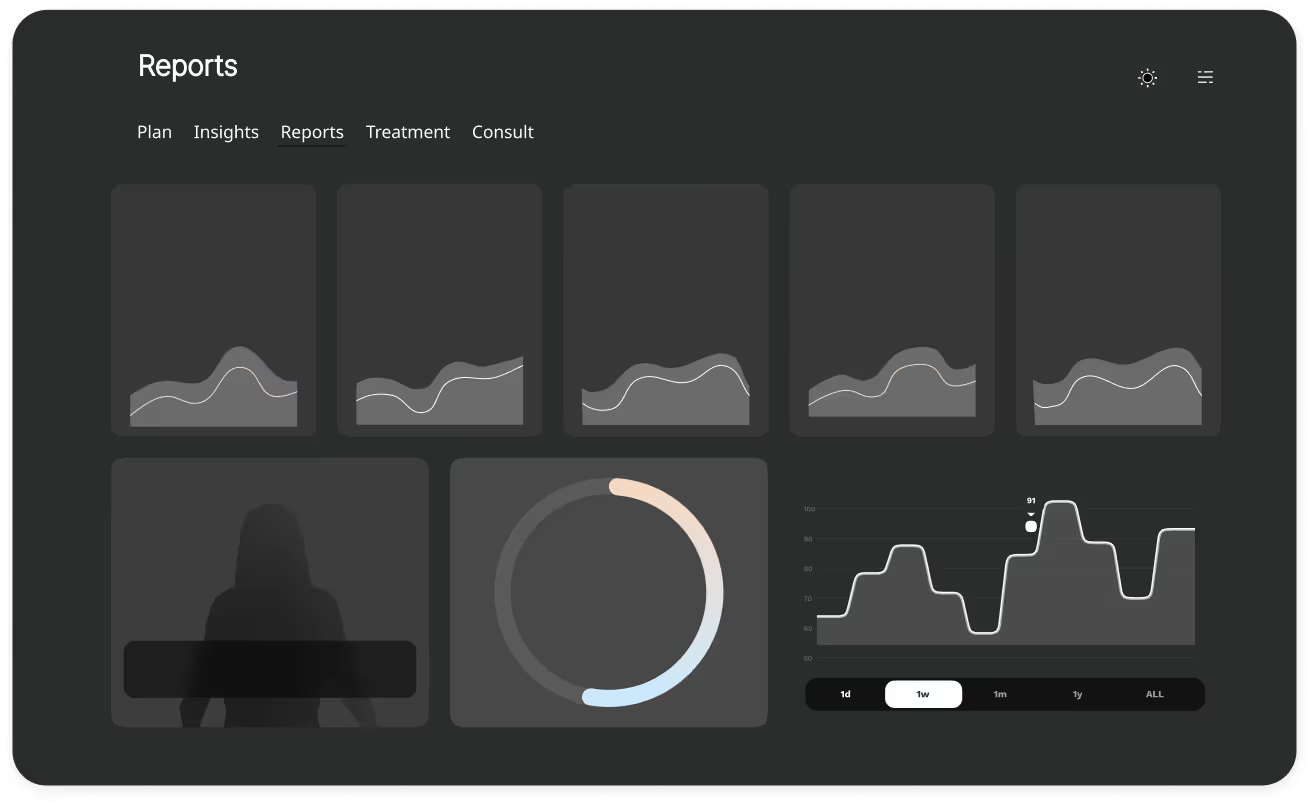
The Metabolic Health Journey
.avif)
.avif)

.avif)
Ongoing monitoring & optimisation
With continued medical oversight, clinicians may refine treatment based on blood results, symptoms reported, and individual response. Many patients reach a more consistent hormonal range during this period.
.avif)
Long-term management
Treatment becomes part of an ongoing care plan focused on maintaining appropriate hormone levels over time. Regular reviews help ensure therapy remains suitable, safe, and aligned with your health goals.
Frequently Asked Questions
What is metabolic health
Metabolic health refers to how well your body regulates key processes such as blood sugar, cholesterol, inflammation, and energy use. Poor metabolic health can increase the risk of heart disease, type 2 diabetes, and other chronic conditions even before symptoms appear.
Why test metabolic health if I feel fine
Many metabolic risk factors develop silently. Elevated cholesterol, insulin resistance, and inflammation can be present for years before noticeable symptoms occur. Testing allows early detection and prevention rather than reactive treatment.
What does Get Limitless test for
We assess key markers related to metabolic and cardiovascular risk including fasting glucose, fasting insulin, HbA1c, lipid profile, inflammation markers, liver function, vitamin D, and biological age indicators.
How is this different from a standard GP blood test
Standard tests often check limited markers and may not assess insulin resistance or early risk patterns. Our testing looks at metabolic health in context and uses results to guide personalised prevention and monitoring plans.
What happens after my test results are ready
Your results are reviewed by an AHPRA registered medical practitioner. You receive a clear explanation of what is normal, what needs attention, and what steps may help reduce long term risk. Treatment is only considered when clinically appropriate.
Is this focused on treatment or prevention
Both. The primary goal is early detection and prevention. When intervention is required, it is guided by objective data and ongoing monitoring rather than one time decisions.
Do I need medication to improve metabolic health
Not always. Many people improve metabolic markers through targeted lifestyle changes, nutrition guidance, and monitoring. Medication is only considered when clinically indicated based on your results.
How often should metabolic health be monitored
This depends on your risk profile. Some people benefit from annual testing, while others may require more frequent monitoring to track improvements or progression.
Can metabolic health improve over time
Yes. With early detection, consistent monitoring, and appropriate support, many metabolic risk markers can improve and long term disease risk can be reduced.